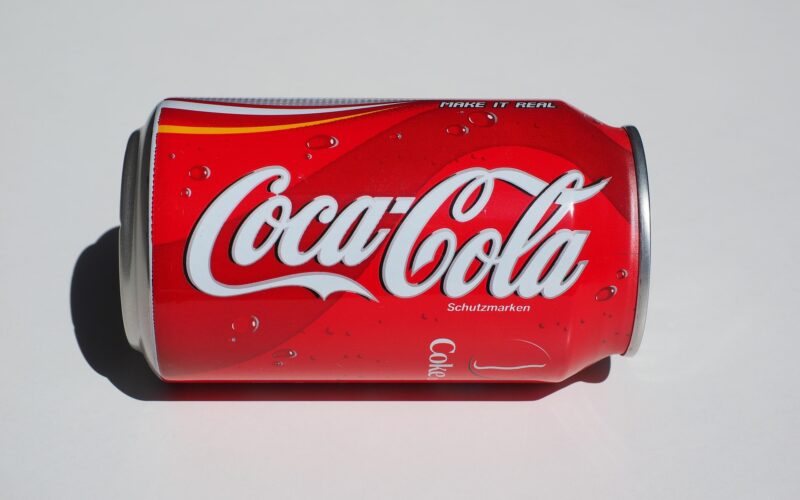
Building a brand identity goes far beyond designing a simple logo. Your identity serves as the fundamental DNA of your business, communicating who you are and why consumers should care. In a saturated market, capturing attention requires a cohesive identity that resonates on an emotional level. Successful brands blend visual elements, messaging, and core values to forge a lasting connection with their audience. This alignment ensures that whenever a consumer encounters your business, they immediately recognise your offering.
Define your underlying purpose and market positioning
Before you think about visual aesthetics, you must clearly articulate the underlying purpose of your enterprise. Start by defining your core mission and the specific problems you solve. Understanding your demographic is crucial, as your identity needs to speak directly to their challenges. Conduct market research to identify gaps left by competitors and determine how your business can occupy a unique space. By establishing a solid strategic foundation, you ensure that every subsequent branding decision is driven by purpose rather than fleeting trends.
Develop a memorable visual aesthetic and colour palette
The visual component of your identity acts as the immediate focal point for consumer perception. Selecting the right colour palette is vital, as different hues evoke specific psychological responses in the minds of consumers. For instance, blue often communicates trust, whereas yellow radiates optimism. Alongside colour, typography plays a massive role in shaping how your brand is perceived. The fonts you choose should reflect your personality, ensuring they remain highly legible across various digital and physical mediums.
Beyond colours and typography, your logo stands as the central anchor of your visual identity system. A highly effective logo is simple, versatile, and instantly recognisable. Think of iconic global brands and how easily you can picture their logos without accompanying text. Visual identity also extends to the style of photography and graphic elements you incorporate into marketing materials. Maintaining strict uniformity in these visual components helps train the consumer brain to associate specific cues directly with your business.
Establish a consistent tone of voice and messaging
How your brand speaks is just as important as how it looks when building long-term consumer recognition. Your tone of voice encompasses the words you use and the overarching personality of your communications. Whether your brand sounds authoritative, playful, or provocative, this voice must remain consistent across every channel. From website copy to customer service emails, a uniform tone helps humanise your business. Consumers are much more likely to trust a brand that sounds like a familiar, reliable entity rather than a faceless corporation.
Maintain strict consistency across all consumer touchpoints
The true secret to forging a memorable brand identity lies in unrelenting consistency across every consumer touchpoint. Whenever a potential customer interacts with your business, whether browsing your website or unboxing a delivered product, the experience must feel cohesive. Creating comprehensive brand guidelines is an excellent way to ensure everyone understands how to apply your visual assets. Inconsistencies, such as using outdated logos or shifting your tone of voice abruptly, only serve to confuse consumers and dilute the mental image they have of your brand.
Evaluate your market impact and evolve strategically
Creating a brand identity is never a project that you simply complete and forget about entirely. As your business grows and industry landscapes transform, your brand must possess the flexibility to adapt without losing its core essence. Regularly audit your brand performance by gathering customer feedback to ensure your identity remains impactful. While sweeping overhauls should be approached with caution, making subtle refinements over time allows your brand to stay fresh. By committing to continuous evaluation, you build an enduring brand identity that consumers remember forever.