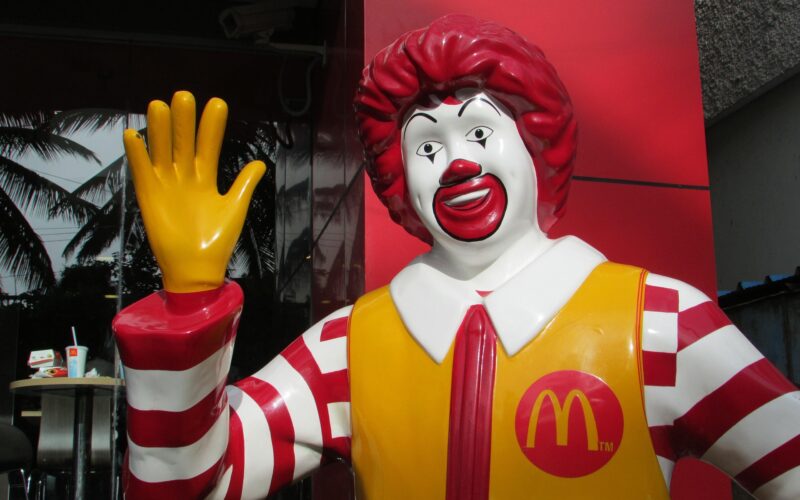
Brand mascots have evolved from simple packaging illustrations into dynamic cultural figures that bridge the gap between corporate identity and human connection. For decades, companies have recognised that consumers struggle to form emotional attachments to abstract corporate slogans or faceless multinational entities. By introducing a character with distinct personality traits, businesses transform a mundane product into an engaging narrative that captures public imagination.
These characters often become so ingrained in popular culture that people reference them in daily interactions, completely detached from the original intent of selling a product. Whether it is a catchphrase repeated in the workplace or a meme shared amongst friends, this organic integration into everyday dialogue is the ultimate achievement for any campaign. It guarantees that the brand remains permanently embedded in the public consciousness without the need for constant, intrusive broadcast advertising.
The psychology behind character marketing
The human brain is hardwired to recognise faces and respond to social cues, explaining why we naturally gravitate towards anthropomorphic characters. When a brand gives a friendly face, a distinct voice, and a relatable backstory to its service, it taps into our innate desire for social interaction. We begin to process these mascots not as corporate spokespeople, but as familiar acquaintances. This psychological phenomenon significantly reduces the natural scepticism and defensiveness consumers typically hold towards advertising.
Instead of feeling aggressively pitched to, audiences feel as though they are being entertained by a familiar, trustworthy personality. Over time, this repeated positive exposure builds a solid foundation of trust and affection. Consequently, this makes the consumer far more likely to instinctively choose that specific brand when making a rapid purchasing decision at the supermarket aisle or the online checkout screen.
Creating emotional resonance in digital spaces
The rise of social media has dramatically amplified the power of brand mascots, allowing them to participate in two-way conversations rather than just broadcasting messages. In the past, a mascot was confined to static billboard advertisements or brief television spots. Today, these characters hold their own social media accounts, replying directly to customer queries, participating in viral trends, and even bantering with rival brands. This real-time engagement creates a compelling illusion of autonomy, making the character feel genuinely alive. Audiences willingly interact with these accounts, effectively becoming voluntary distributors of the marketing material.
Building enduring loyalty across generations
The most significant advantage of employing a brand mascot is its absolute immunity to the passing of time and the typical pitfalls of celebrity endorsements. Human spokespeople age, demand higher salaries, and occasionally face damaging public relations scandals. A brand mascot, conversely, remains perpetually youthful, entirely controllable, and perfectly aligned with the company's core values. As consumers grow up, the mascots they watched during their formative childhood years evoke a powerful sense of comfort and nostalgia. This deep emotional anchor seamlessly translates into lifelong brand loyalty, as parents introduce the products associated with these characters to their own children.
Looking towards the future of commerce
As marketing technology continues to advance rapidly, the role of mascots is set to become even more conversational and personalised. The ongoing integration of artificial intelligence means that mascots could soon power customer service interfaces, offering highly tailored advice whilst maintaining their unique, entertaining tone of voice. This technological evolution will further blur the lines between advertising and everyday conversation, transforming standard transactional interactions into memorable brand experiences. Ultimately, companies that invest in developing robust, adaptable, and engaging mascots will find themselves uniquely equipped to navigate the increasingly crowded digital landscape, ensuring their brand remains a welcome participant in the daily lives of their customers.